
The impact of a missing tooth reaches nearly every part of daily life, from chewing your favorite foods to feeling at ease in social situations. If you’re considering dental bridges in San Diego, a well-crafted bridge can help restore the function and appearance of a full, healthy smile. At Emerald Isle Dental Studio, Dr. Geraldine O’Mara, DDS offers bridge treatment as part of a restorative approach built around your comfort, goals, and long-term oral health.
Dental Bridges in San Diego

Understanding Dental Bridges
A dental bridge is a fixed dental restoration used to replace one or more missing teeth. It consists of one or more artificial teeth called pontics, held in place by dental crowns on the natural teeth on either side of the gap, known as abutment teeth. The result is a stable, non-removable restoration that fills the space, restores your bite, and blends in naturally with the rest of your smile. Bridges can also be implant-supported, meaning dental implants serve as the anchoring foundation instead of existing teeth.
There are a few different types of dental bridges, each suited to different situations. A traditional bridge is the most common and relies on crowns cemented onto the adjacent teeth. An implant-supported bridge uses implants for support, making it a strong option when multiple teeth are missing in a row. A cantilever bridge anchors to only one adjacent tooth and is typically used in areas of the mouth with less chewing pressure. Your dentist will assess your bone structure, the condition of your remaining teeth, and the location of the missing teeth to determine which type is the best fit for your needs.
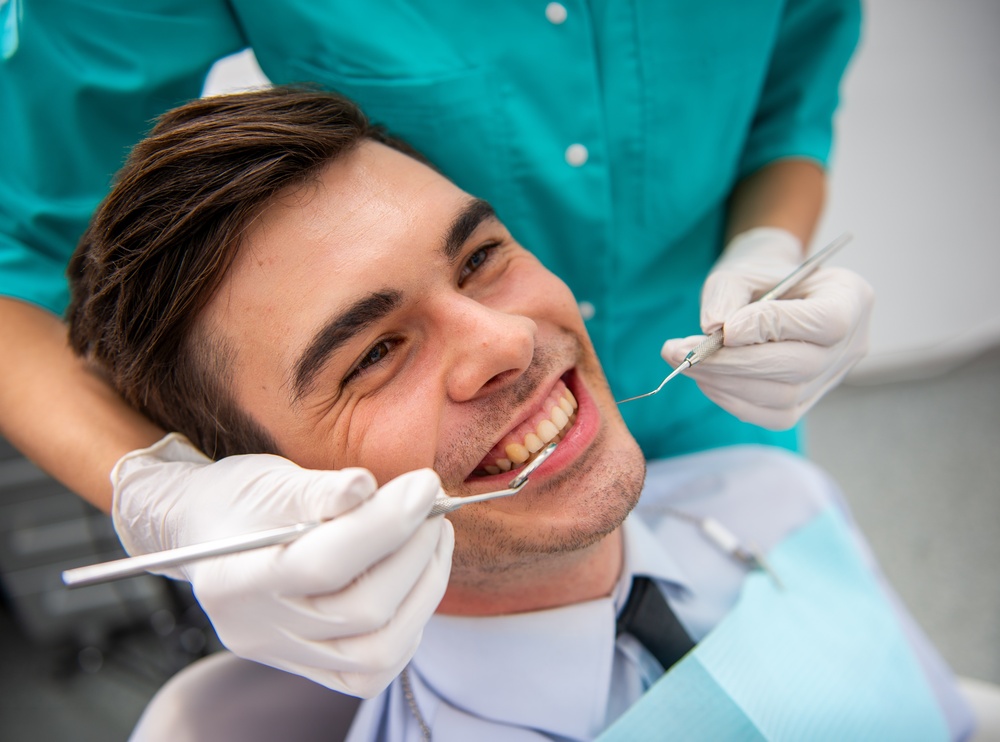
Benefits of Dental Bridges
A Natural-Looking Smile You'll Feel Confident About
One of the biggest advantages of a dental bridge is how closely it can match your teeth in both shape and color. Each bridge is custom-designed to blend seamlessly with your surrounding smile, so no one needs to know you have a restoration unless you choose to tell them. For patients considering smile makeovers or complex rehabilitation, dental bridges often play a key role in achieving a complete, polished result. A smile that looks good tends to show, and that renewed confidence can make a real difference in how you carry yourself every day.
Restored Chewing Function and Bite Stability
Missing teeth make it harder to eat the foods you love, and over time, chewing on one side of your mouth can put uneven stress on your jaw and remaining teeth. A dental bridge restores your ability to chew evenly and comfortably, bringing balance back to your bite. This protects the rest of your dental health by reducing wear and strain on surrounding teeth. Getting back to eating without restrictions is something many patients say they appreciate most after treatment.
Protection Against Bone Loss and Shifting Teeth
A tooth that is lost means the bone beneath it no longer receives the stimulation it needs to stay dense and healthy. Over time, this can cause the bone to shrink in a process called resorption, which affects both appearance and function. An implant-supported bridge actively maintains jaw structure and prevents neighboring teeth from drifting into the empty space. Keeping everything in place is a key part of long-term dental health, and a bridge is one of the most reliable ways to do that.
A Fixed, Low-Maintenance Solution
Unlike removable dentures, dental bridges are fixed in place, meaning you won’t need to take them out or deal with adhesives. You care for a bridge much the same way you care for your teeth: brushing, flossing with a floss threader or water flosser beneath the bridge, and keeping up with regular dental exams. This makes bridges a practical, everyday solution that fits into your normal routine without extra hassle. A bridge that’s well maintained can last many years before needing any attention.
Same-Day Convenience with Advanced Technology
At our practice, select patients can take advantage of CEREC technology to receive their dental bridge in a single visit. Using digital impressions and in-practice milling equipment, our team can design, craft, and place custom dental bridges without the need for temporary restorations or multiple return appointments. CBCT 3D scans and digital imaging allow for a level of diagnostic precision that leads to more accurate, durable results. If your schedule is busy or you simply want your smile restored as efficiently as possible, same-day dentistry is a significant advantage.
Our Treatment Process for Dental Bridges
Why Choose Us for Dental Bridges
Getting a dental bridge is a meaningful decision, and the quality of your result depends heavily on the skill, technology, and attention behind it. Dr. Geraldine O’Mara, DDS, approaches every bridge case by first taking time to evaluate your bite alignment, the health of your surrounding teeth, and your bone structure. A thorough diagnosis leads to a restoration that holds up, and that’s where our process for dental bridges always begins. What also sets our practice apart is the combination of in-house prosthodontic expertise and same-day CEREC technology.
Prosthodontics is the dental specialty focused on restoring and replacing teeth, and having that specialist knowledge available means even complex cases, like implant-supported bridgework or full mouth rehabilitation, are handled with a high level of precision. For patients who’ve put off dental care because of anxiety, Dr. O’Mara is known for explaining each step in plain language, never pushing treatment, and making sure you feel at ease before anything begins. Our practice sees one patient at a time, which means you get Dr. O’Mara’s complete focus, and not a divided, hurried visit.

Fill Gaps in Your Smile With Dental Bridges in San Diego
Missing teeth put stress on your jaw, shift your bite, and make everyday tasks like eating and speaking harder than they should be. For patients considering dental bridges in San Diego, a well-placed bridge can address those problems directly and help you feel more like yourself again. Dr. Geraldine O’Mara, DDS, and our team at Emerald Isle Dental Studio have helped many patients in similar situations, and we’re currently accepting new patients looking for lasting results.
See what our patients are saying by checking out our reviews on Google Maps. On Instagram, we share oral health tips, behind-the-scenes moments, and smile transformations. Find us on Facebook for updates, patient stories, and a closer look at the care we provide. To schedule your consultation and learn more about dental bridges, reach our team at 858.270.0682.

FAQs
How long do dental bridges typically last?
With proper care and regular dental exams, a dental bridge can last 10 to 15 years or longer. The key factors are consistent oral hygiene, especially cleaning beneath the bridge daily, and routine checkups so any early issues can be caught and addressed. Implant-supported bridges tend to have an even longer lifespan. Our dental team will give you personalized guidance on how to keep your bridge in great condition.
What's the difference between traditional and implant-supported bridges?
A traditional dental bridge uses the teeth on either side of the gap as anchor points, which requires those teeth to be shaped to accommodate dental crowns. An implant-supported bridge uses dental implants as the foundation, so no healthy teeth need to be altered. Implant-supported dental bridges also help preserve the jawbone beneath the gap, which traditional bridges don’t address. Your dentist will recommend the best option based on your bone density, existing tooth health, and specific situation.
Is getting a dental bridge painful?
Most patients find our treatment process for dental bridges very manageable. The area is numbed with local anesthesia during any preparation work, so you shouldn’t feel pain during the procedure itself. Some mild soreness or sensitivity afterward is normal and typically fades within a few days. For patients with dental anxiety or a lower pain threshold, sedation options are available to make the experience as relaxed as possible.
Can a dental bridge help if I've lost multiple teeth?
Yes. Dental bridges can replace more than one missing tooth at a time, particularly when the missing teeth are next to each other. In cases where several teeth are missing in a row, two dental implants can be placed on either side of the gap to support a bridge in between, without involving any remaining natural teeth. This approach is often part of broader rehabilitation cases where multiple areas of the mouth need to be addressed. Your dentist will evaluate your situation and explain which options are most appropriate for you.
How do I clean under a dental bridge?
A little extra attention in your daily routine goes a long way in keeping your restoration and surrounding teeth healthy. Standard floss can’t pass between a bridge and the gumline the way it does between natural teeth, so you’ll need to use a floss threader, interdental brushes, or a water flosser to clean beneath it each day. This step is important for removing food particles and plaque that can accumulate around the gum tissue and abutment teeth, which are areas that are vulnerable to decay and gum disease if neglected. Our dental team will walk you through the best technique for your specific bridge before you leave the practice.
