
At Emerald Isle Dental Studio, tooth extractions are handled with the same care and attention you’d expect from every appointment. Dr. Geraldine O’Mara, DDS believes that no tooth should be removed without good reason, and if one does need to come out, you deserve a calm, comfortable experience with a clear plan for what comes next. You’re in experienced, compassionate hands at every stage of your care.
Tooth Extractions

Understanding Extractions
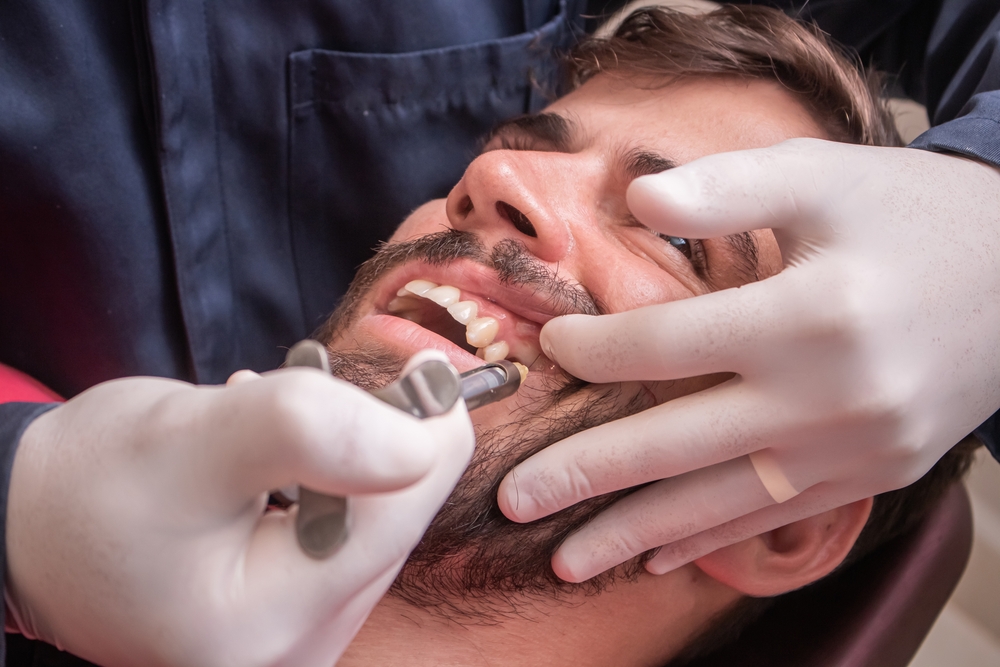
A tooth extraction is the clinical removal of a tooth from its socket in the jawbone. It’s one of the most common dental procedures performed today, and there are two main types: a simple extraction, done on a tooth that’s visible above the gum line, and a surgical extraction, used on a tooth that’s broken at the gum line, impacted, or hasn’t fully erupted. Both are performed under local anesthesia, so you feel pressure during the procedure but not pain.
Dentists recommend extractions in specific, well-defined situations, such as severe decay that has destroyed too much of the tooth to restore, advanced infection that hasn’t responded to root canal treatment, significant trauma that leaves a tooth structurally unsalvageable, or overcrowding that’s preventing proper alignment. Extraction is always considered a last resort once preservation is no longer a realistic option. After the tooth is removed, the surrounding tissue and bone begin to heal, and restoration options like implants, bridges, or dentures can be explored to bring back full function.
Benefits of Extractions
Relieves Pain and Stops Infection From Spreading
A severely damaged or infected tooth can cause intense, persistent pain that affects your sleep, your concentration, and your daily life. Removing the source of that infection stops bacteria from spreading to neighboring teeth and gum tissue. Once the tooth is out, most patients feel significant relief quickly, often the same day.
Protects the Rest of Your Smile
A failing tooth can create problems for the teeth around it. Decay, infection, and structural damage don’t stay contained. They spread. A timely extraction can protect healthy teeth from being pulled into the same cycle of damage, keeping the rest of your smile intact and reducing the need for more extensive treatment down the road.
Clears the Path for Lasting Tooth Replacement
Extraction isn’t the end of the story. It’s often the beginning of a better one. Removing a failing tooth creates a clean foundation for a dental implant, bridge, or other replacement option. Starting fresh with a proper extraction means your replacement tooth will have the best possible environment to integrate, function, and last.
Reduces Crowding and Supports Future Orthodontic Treatment
Sometimes a tooth needs to be removed not because it’s damaged, but because there isn’t enough room for teeth to align properly. Strategic extraction can relieve overcrowding and create the space needed for Invisalign or other orthodontic treatment to work effectively. It’s a proactive step toward a healthier, straighter smile.
Eliminates a Source of Ongoing Dental Problems
A tooth that can’t be saved doesn’t just cause pain. It can become a recurring source of infections, bone loss, and gum disease if left in place. Removing it eliminates that ongoing threat, giving your mouth a chance to heal and stabilize. For many patients, one well-timed extraction prevents a cascade of more complex problems later.
Our Tooth Extraction Process
Why Choose Us for Extractions
Recommending an extraction is never taken lightly here. Dr. Geraldine O’Mara, DDS reviews every case carefully, using CBCT 3D imaging to assess the full picture of your tooth, bone, and the nearby structures before making any recommendation. It means you won’t be told a tooth needs to come out unless there’s a clear, well-supported clinical reason for it. A realistic path to saving the tooth will always be explored first.
Dr. O’Mara sees one patient at a time, so there’s no sense of being rushed or shuffled through. For patients with dental anxiety, sedation options are available so you stay aware but fully relaxed throughout the procedure. After the tooth is removed, our team stays with you through every next step, whether that’s monitoring your healing or planning a permanent restoration. Your care remains consistent and connected from the first appointment through the last.

Get Relief From Tooth Pain Through Gentle, Precise Extractions
Extractions may be the right step when a tooth has been hurting, breaking down, or causing ongoing problems that a temporary fix cannot solve. Dr. Geraldine O’Mara, DDS takes the time to make sure you feel heard, informed, and comfortable before, during, and after your extraction. Get directions to our practice and see what patients are saying by visiting our Google Maps listing. For a closer look at our team and day-to-day life at our practice, follow us on Facebook and Instagram, where we share tips, updates, and a genuine look at the care we provide. Call Emerald Isle Dental Studio today at 858.270.0682 to schedule your consultation.

FAQs
What to eat after tooth extraction?
Stick to soft, cool foods for the first 24 to 48 hours, including yogurt, applesauce, mashed potatoes, and smoothies. Anything hot, crunchy, or chewy can disturb the extraction site and slow the healing process. As you feel better over the following days, you can gradually reintroduce more solid foods based on your comfort level.
How much is a tooth extraction?
The complexity of the procedure plays a big role, as a simple extraction differs from a surgical one involving impacted teeth or significant bone involvement. Our team will walk you through what to expect during your consultation once we’ve had a chance to assess your specific situation. We want you to feel fully informed before any treatment begins.
How long does a tooth extraction take to heal?
Most patients feel noticeably better within three to four days after a routine extraction, and the soft tissue typically closes within one to two weeks. Complete bone regeneration in the socket can take several months, though this usually happens in the background without causing discomfort. Following your aftercare instructions closely, particularly in the first 48 hours, has the biggest impact on how smoothly you recover.
Does extracting teeth hurt?
The procedure itself should not be painful. The area is fully numbed beforehand, and most patients report feeling movement or pressure rather than any sharp sensation. Some tenderness in the days following is normal and typically manageable with over-the-counter pain relief. Our team will give you specific guidance based on your situation so you know exactly what to expect.
Can I brush my teeth after tooth extraction?
Yes, but with care. Avoid brushing directly over the extraction site for the first 24 hours, then gently resume your normal routine for the surrounding teeth while continuing to protect the healing area. Rinsing gently with warm salt water after the first day can also help keep things clean without disturbing the site.
